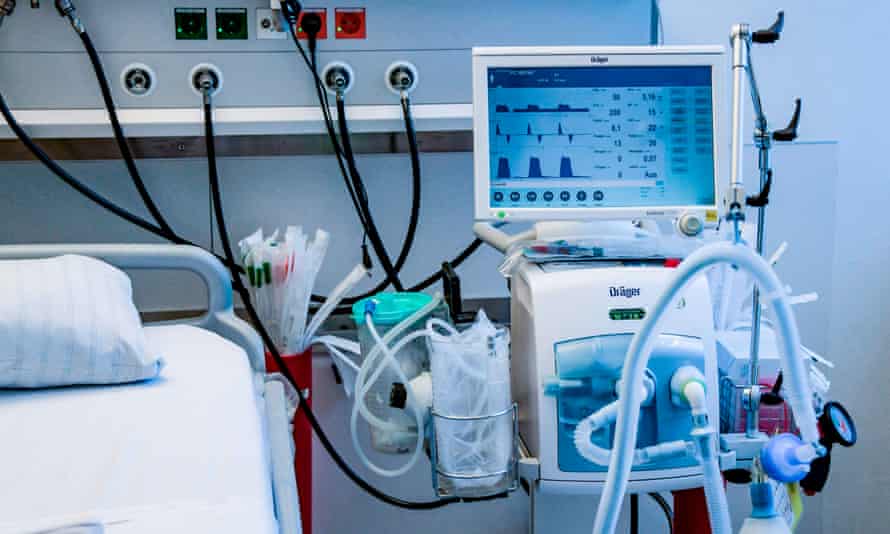
It's a machine designed to produce help for a patient who is not able to breathe.
A ventilator could be a device that supports or takes over the respiratory method, pumping air into the lungs.
People that keep in medical care intensive care units (ICU) may have the support of a ventilator.
What is a Ventilator ?
Ventilator can get O2 into the lungs, take away CO2 from the body, facilitate patient breathe easier and breathe for people that have lost all ability to breathe on their own.
A ventilator is commonly used for brief periods, like throughout surgery once you're below anesthesia or throughout treatment for a significant respiratory organ illness or different condition that affects traditional respiratory.
Who needs a Ventilator ?
People need ventilation if they're experiencing metabolic process failure.
Once this happens, an individual cannot get enough O2 and will not be ready to expel CO2 fine either.
There are many injuries and conditions that may cause metabolic process failure, including:
Head injury
Stroke
Lung illness
Spinal cord injury
Polio
Sudden pathology
Neonatal metabolic process distress syndrome
Acute metabolic process distress syndrome
Pneumonia
Sepsis
Types of Ventilator
There are several ways a person can receive ventilator support. These include:
1. Face mask Ventilator
A face mask ventilator could be a noninvasive technique of supporting a person's respiratory and O2 levels.
To use one, an individual wears a mask that fits over the nose and mouth while air blows into their airways and lungs.
2. Mechanical Ventilator
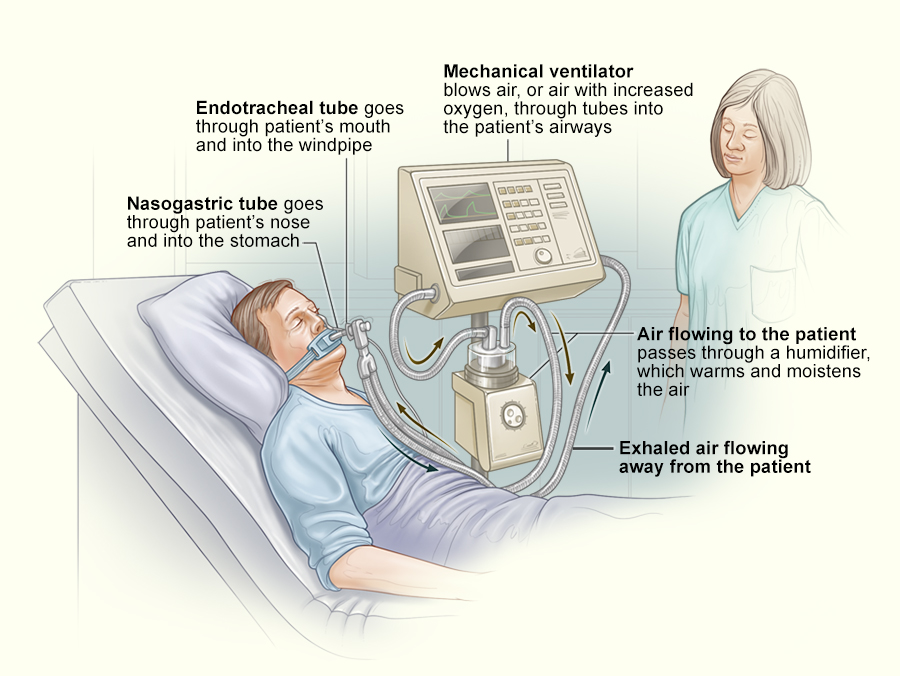
Mechanical ventilator trusted supply area unit machines that take over the respiratory method entirely.
Doctors use these once an individual cannot breathe on their own.
Mechanical ventilators work via a tube during a person's throat, pumping air into the lungs and transporting CO2 away.
A ventilator unit regulates the pressure, humidity and temperature of the air.
This enables tending professionals to manage a person's respiratory and O2 levels.
3. Manual breathing device baggage
Manual breathing device baggage are unit items of kit that enable individuals to manage the flowing of their ventilator with their hands.
These devices incorporates associate in Nursing empty bag or bladder that an individual squeezes to pump air into the lungs.
4. Tracheostomy Ventilator
People who have undergone a surgery need a special kind of ventilator.
A surgery could be a procedure wherever a doctor creates a gap within the cartilaginous tube and inserts a tube, that permits air to flow in and out.
This permits an individual to breathe while not victimization their nose or mouth.
How will a Ventilator work ?
A ventilator uses pressure to blow air into the lungs. This pressure is understood as positive pressure.
A patient sometimes exhales the air on their own, however typically the ventilator will it for them too.
The amount of O2 the patient receives are often controlled through a monitor connected to the ventilator.
If the patient's condition is especially fragile, the monitor are created to send associate in Nursing alarm to the caregiver, indicating a rise in gas pressure.
The machine works by conveyance O2 to the lungs and taking CO2 out of the lungs.
This enables a patient who has bother respiratory to receive the correct quantity of O2 .
It additionally helps the patient's body to heal, since it eliminates the additional energy of labored respiratory.
A ventilator blows air into the airway through a respiratory tube.
One finish of the tube is inserted into patient's cartilaginous tube and also the different finish is hooked up to the ventilator.
The respiratory tube is associate in Nursing airway by property air and O2 from the ventilator flows into the lungs.
Looking on the patient's medical condition, they'll be ready to use a metabolic process mask rather than the respiratory tubes.
Summary
Ventilators area unit devices that support a person's respiratory if they're experiencing metabolic process failure.
There area unit differing types of ventilator, together with noninvasive and invasive, that give varied degrees of support. Demand for ventilators has accrued because of Covid-19.
It will take time to live through being on a ventilator.
Serious health problem will impact psychological state and physical health.
Individuals experiencing persistent symptoms when ablactating off ventilator support ought to speak to their doctor.





0 Comments